

The Benefits of Exercise on Mental Well-Being
Life can be stressful sometimes, and self-care is essential to managing these feelings and preventing burnout. We often hear about the importance of self-care. But what does that look like? One way is through engaging in physical activity. Exercise is an accessible and effective way to support mental well-being and overall quality of life.
Exercise is widely known for its physical benefits on the body. While most people are aware of these benefits, it can also have significant positive impacts on our brains.
Mental Benefits
Research has found that physical exercise can have a positive impact on a variety of mental areas, such as;
Boosting Mood: Physical activity triggers the release of endorphins, which are feel-good hormones.
Reduce Stress: Exercise reduces levels of the body’s stress hormones, such as cortisol and adrenaline.
Increased Self-Esteem: Exercise provides individuals a sense of accomplishment, makes the body feel more capable, and that reflects to body image.
Improved Memory and Focus: Exercise can physically expand the hippocampus, which is the brain’s memory center. It also increases the production of new neurons in the brain.
Reduce Symptoms of Anxiety and Depression: Because physical activity helps the brain release endorphins, chemicals that improve mood and promote a sense of well-being, as well as reduce levels of the body’s stress hormones, it has been shown to reduce symptoms of depression and anxiety.
Social Connection Through Exercise: Many forms of exercise provide opportunities to meet others and get involved in the community. This can be done by exercising with friends or by participating in fitness classes or groups. Social connection is a critical component of mental well-being, and exercise can strengthen relationships while improving health.
Tips for Incorporating Exercise Into Your Day
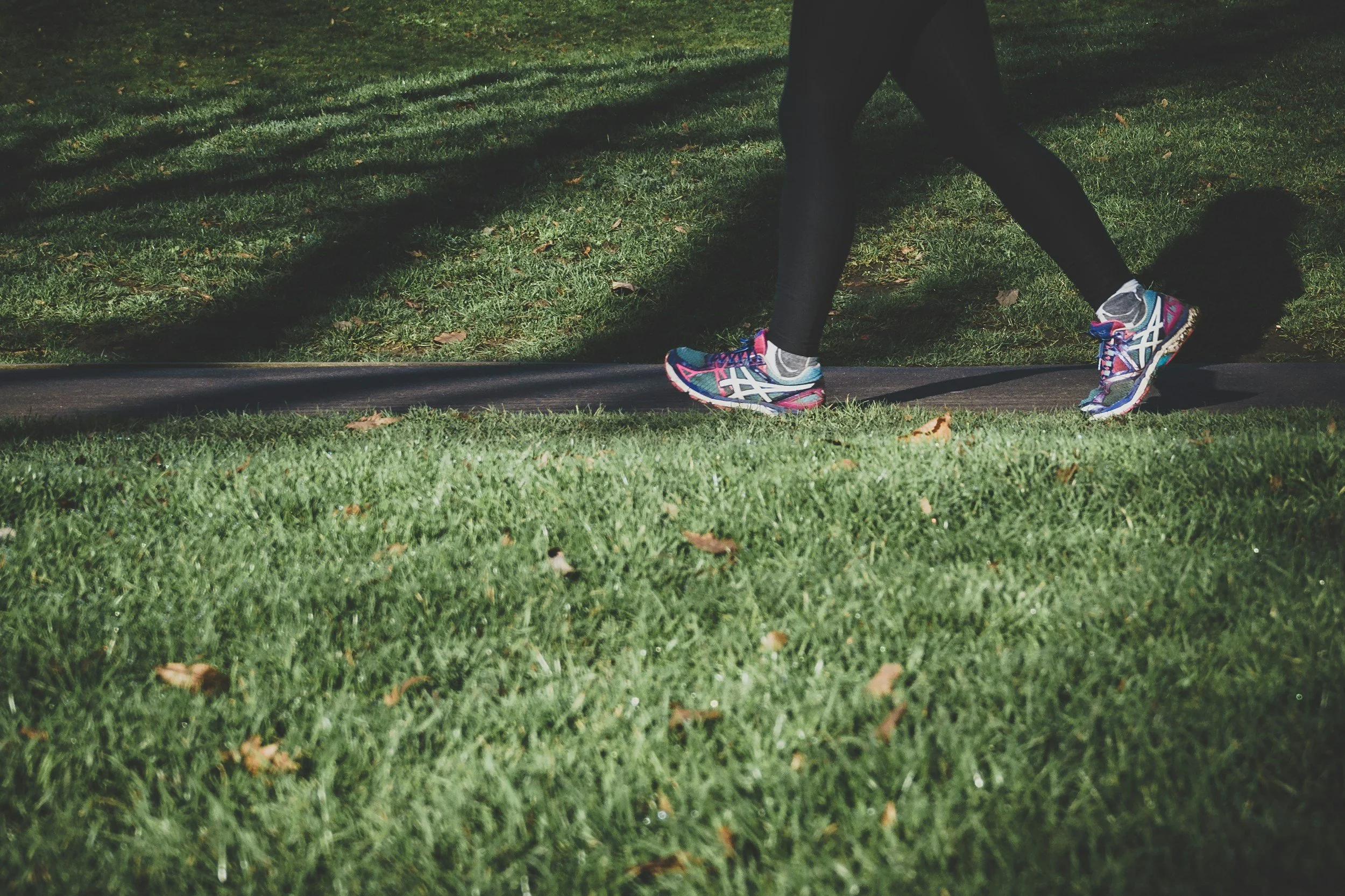
Exercise does not have to be going to the gym. It could be something as simple as going for a walk during your lunch break, taking the stairs instead of the elevator, or taking a few minutes in the morning to stretch.
There are so many activities and hobbies that could help you gain more exercise in your routine. You could go for a hike, try a new fitness class, dance, ride a bike, join a sports team, create a walking/running group with friends, go swimming, and these are just a few to name. Pick something that you enjoy!
Recommended Amount of Exercise
Abled body adults should aim for at least 150 minutes of exercise a week. Even short sessions of exercise, such as a 15-minute walk, can improve mood and reduce stress.
Takeaway
Exercise has been shown to positively affect many aspects of mental health. Remember that some physical activity is better than none. Low stakes activities such as walking, stretching, or swimming for 20 or 30 minutes several times a week can provide mental health benefits. Making movement a regular part of daily life can reduce stress, improve mood, boost self-esteem, and support long-term mental well- being.